
How Retail LMS Software Transforms Employee Training
February 6, 2026
Enterprise LMS vs Corporate LMS: Understanding the Differences
January 16, 2026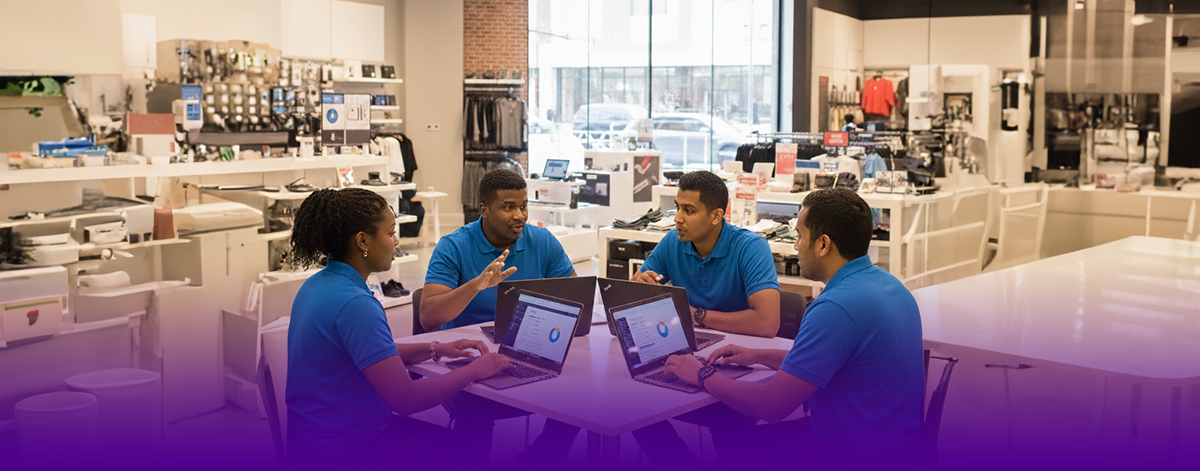
Table of contents
- What Is Retail LMS Software?
- What Is Retail LMS Software?
- Why Retail LMS Software Is No Longer Optional
- How Retail eLearning Tools Improve Store Performance
- Case Study 1: Fashion Retailer Boosts Sales with Retail LMS Software
- Case Study 2: Seasonal Store Staff Training Made Simple
- Case Study 3: Grocery Chain Elevates Customer Experience
- The Strategic Value of Retail LMS Software
- How LMS for Retail Workers Drives Business Growth
- The Future of Retail eLearning Tools
- Final Thoughts
- Other Articles
Retail moves fast. New products arrive weekly. Promotions shift constantly. Technology in stores evolves every season. And customer expectations keep rising.
In this environment, training cannot be occasional. It must be continuous, accessible, and measurable.
Retailers across the globe are turning to modern retail eLearning tools to streamline store staff training, improve customer service, and drive measurable business results. Let’s explore how an LMS for retail workers is transforming the industry, supported by real case studies and success stories.
What Is Retail LMS Software?
At its core, retail LMS software is a digital platform that helps retail businesses deliver, track, and manage training across teams, whether in corporate offices, distribution centers, or frontline stores. Instead of traditional classroom sessions or printed manuals, learning becomes:
- Online and accessible anywhere
- Interactive and engaging
- Easy to update
- Tracked for completion and performance
In practical terms, this means a store associate can complete sales training on their phone before opening a shift. A district manager can monitor progress across stores. And HR can instantly roll out updates on compliance or new products without delays.
Retail teams love LMS because it meets them where they are often on the shop floor between customers.
What Is Retail LMS Software?
Retail LMS software is a learning management system built specifically for the retail environment. It allows businesses to deliver, manage, and track training across multiple store locations in one centralized digital platform.
Instead of relying on one-off training sessions, retailers can instantly roll out consistent learning modules to every store. A new product launch? Push a quick micro-learning module. A compliance update? Assign it company-wide in minutes. A sales skills refresher? Deliver it directly to associates’ mobile devices.
Retail learning today is mobile, on-demand, and embedded into daily workflows.
Why Retail LMS Software Is No Longer Optional
Retail businesses face unique workforce challenges. High turnover, seasonal hiring, distributed store locations, and evolving product lines make traditional classroom training inefficient and inconsistent.
Without a centralized system, store staff training becomes fragmented. Some employees receive detailed guidance, while others learn only through shadowing. The result? Knowledge gaps, inconsistent service, and lost sales opportunities.
Retail LMS software solves this by delivering structured, scalable, and trackable learning across all locations. Whether a retailer operates 20 stores or 2,000, training content can be deployed instantly and monitored centrally.
More importantly, an LMS for retail workers makes learning flexible. Associates can complete short modules before shifts, during downtime, or from mobile devices. Training becomes part of daily work instead of an interruption.
How Retail eLearning Tools Improve Store Performance
Modern retail eLearning tools are designed specifically for frontline environments. They focus on bite-sized modules, interactive scenarios, short product videos, and quick assessments.
Instead of overwhelming employees with long sessions, retail LMS software supports microlearning. This format aligns perfectly with retail schedules, where employees rarely have hours to spare.
When implemented correctly, store staff training through an LMS delivers:
- Faster onboarding for new hires
- Improved product knowledge
- Consistent compliance training
- Better sales conversations
- Higher employee confidence
Retailers quickly discover that better-trained employees create better customer experiences.
Case Study 1: Fashion Retailer Boosts Sales with Retail LMS Software
The challenge: A global fashion retailer with over 150 stores struggled with inconsistent customer service. Some locations excelled at upselling and styling advice, while others lacked strong product knowledge.
The company realized that quarterly training sessions were not enough. New collections launched frequently, and store associates needed ongoing updates.
The solution: They implemented retail LMS software focused on interactive product education. Using retail eLearning tools, they created short modules featuring styling demonstrations, customer role-play scenarios, and knowledge quizzes.
The LMS for retail workers allowed associates to access content on mobile devices. Managers could track completion rates and assessment scores across all stores.
Results within 6 months:
- 40% increase in product knowledge scores
- 20% increase in customer satisfaction ratings
- 15% boost in overall store sales
- Reduced training time by 50%
Store associates reported enjoying learning on their phones, and managers appreciated the ability to track progress in real time. This was a clear win for both staff and customers.
Case Study 2: Seasonal Store Staff Training Made Simple
The challenge: A major big-box retailer faced a recurring challenge every holiday season. Hundreds of temporary employees were hired, but onboarding time was limited. Managers struggled to deliver consistent training while managing peak footfall.
The solution: To solve this, the company deployed retail LMS software designed for rapid onboarding. Through integrated retail elearning tools, new hires completed mandatory modules covering customer service basics, POS systems, safety compliance, and product categories.
Training became standardized across all stores. Every seasonal associate received the same structured learning experience.
Results in one season:
- 95% of new hires completed training before first shift
- 30% reduction in onboarding time
- Managers reported improved confidence in new associates
- Fewer customer complaints related to staff knowledge
The platform made training flexible and adaptive, a perfect equivalent for the pressures of seasonal hiring.
Case Study 3: Grocery Chain Elevates Customer Experience
The challenge: A regional grocery chain wanted to differentiate itself through knowledgeable service. Customer feedback showed that while staff were friendly, they often lacked deep knowledge of specialty categories such as organic foods and dietary alternatives.
The solution: With the implementation of LMS for retail workers, they created:
- Product knowledge modules with visuals
- Scenario-based learning exercises
- Short role-play videos
- Incentive badges for module completion
The retailer tied learning outcomes to store reward programs to boost participation.
Results after one quarter:
- 50% increase in customer feedback surveys mentioning helpful staff
- Sales of specialty food items up by 35%
- Lower staff turnover by 18% compared to last year
Employees said learning felt practical and relevant and customers noticed the difference too.
The Strategic Value of Retail LMS Software
The true power of retail LMS software lies in its scalability and data insights. Retail leaders gain visibility into:
- Course completion rates
- Assessment performance
- Skill gaps across locations
- Compliance status
- Training impact on store performance
Instead of guessing whether store staff training is effective, retailers can measure outcomes directly.
Retail eLearning tools also allow rapid updates. When new products launch or policies change, updates can be rolled out instantly across all stores. This agility is critical in today’s competitive environment.
How LMS for Retail Workers Drives Business Growth
An LMS for retail workers does more than deliver courses. It aligns learning with business goals.
When employees understand product features deeply, they sell with confidence. When they master customer interaction skills, satisfaction increases. When compliance training is consistent, risk decreases.
Retailers commonly report:
- Faster onboarding cycles
- Increased average transaction value
- Higher customer satisfaction scores
- Reduced operational errors
- Improved staff retention
- All of these contribute directly to profitability.
The Future of Retail eLearning Tools
Retail LMS software continues to evolve with AI-driven personalization, gamification, and data-based learning paths. Modern retail eLearning tools can now recommend courses based on job roles, performance metrics, and sales outcomes.
The future of store staff training is adaptive and intelligent. Learning journeys will increasingly align with individual strengths and development areas.
Retailers who invest in advanced LMS for retail workers today position themselves for long-term competitive advantage.
Final Thoughts
Retail success depends heavily on frontline performance. Store associates represent the brand, influence purchasing decisions, and shape customer loyalty.
Retail LMS software provides the structure, consistency, and scalability needed to support modern retail teams. With powerful retail eLearning tools, organizations can deliver impactful store staff training and measurable results.
From fashion retailers to grocery chains and big-box stores, success stories show one clear pattern: when you empower your workforce through an effective LMS for retail workers, performance improves across the board.
We would love to hear your experience with retail learning platform, or suggestion you may have.
Other Articles