
The Skills Gap Is Costing Organizations More Than They Realize: Why Upskilling, Reskilling, and the Right Corporate Learning Platform Matter
June 18, 2026
How to Run an Extended Enterprise LMS Pilot: A Step-by-Step Evaluation Framework
May 29, 2026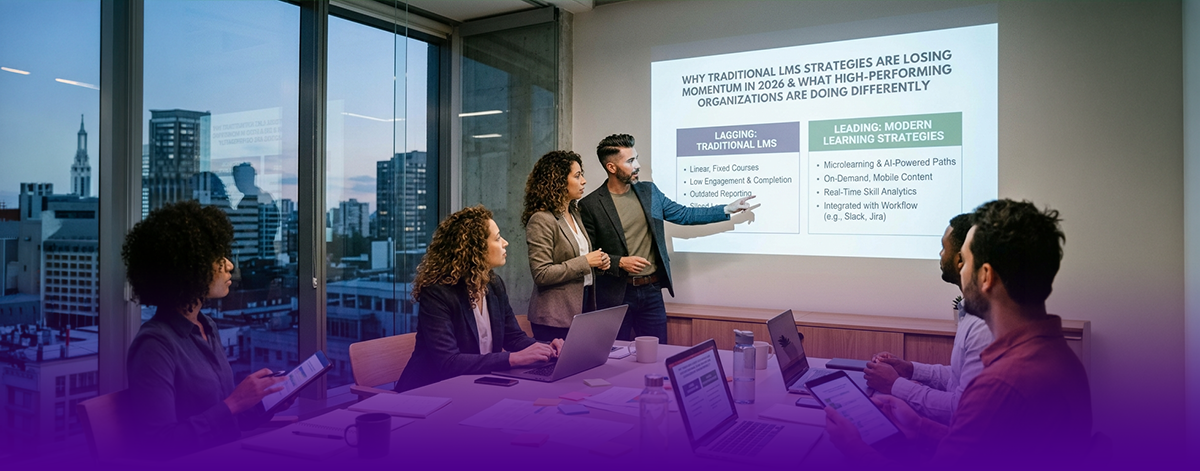
The role of LMS Platforms has changed more in the last few years than it did in the decade before that.
Not too long ago, organizations primarily expected their Learning Management System to do three things well: host content, assign training, and track completion. For a workforce focused on standardization and compliance, that worked.
But today's organizations are navigating a very different reality. Skills are evolving faster than job descriptions. Employees expect learning experiences that are as intuitive and personalized as the apps they use every day. Business leaders want clear answers to a much bigger question: Is learning actually helping our people perform better and preparing our organization for what's next?
That shift is redefining what businesses expect from a Corporate Learning Platform.
High-performing organizations are investing in learning ecosystems that can anticipate capability gaps, accelerate transformation, support career growth, and demonstrate measurable business impact.
The New Role of LMS Platforms: From Training Systems to Capability Engines
Today's LMS Platforms are evolving into intelligent capability-building ecosystems. Rather than functioning as standalone training repositories, they are becoming strategic infrastructure that enables organizations to anticipate change, accelerate transformation, and prepare employees for emerging business demands.
Learning leaders are increasingly asking:
- How do we identify future skill gaps before they affect performance?
- How can learning naturally fit into everyday work?
- How do we connect learning investments to business outcomes?
- What experiences drive sustained learner engagement?
The answers are reshaping the future of workplace learning.
From Content Delivery to Skills Intelligence
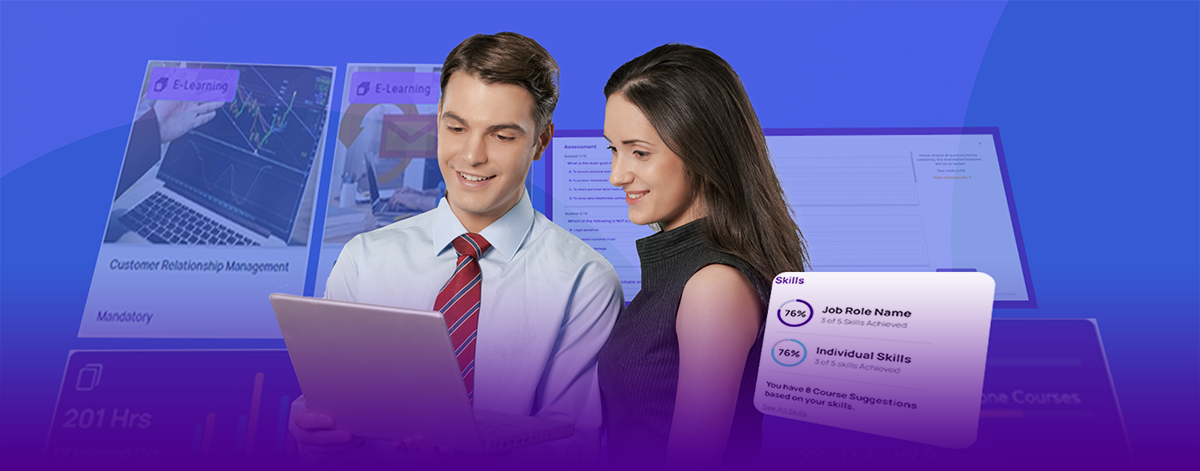
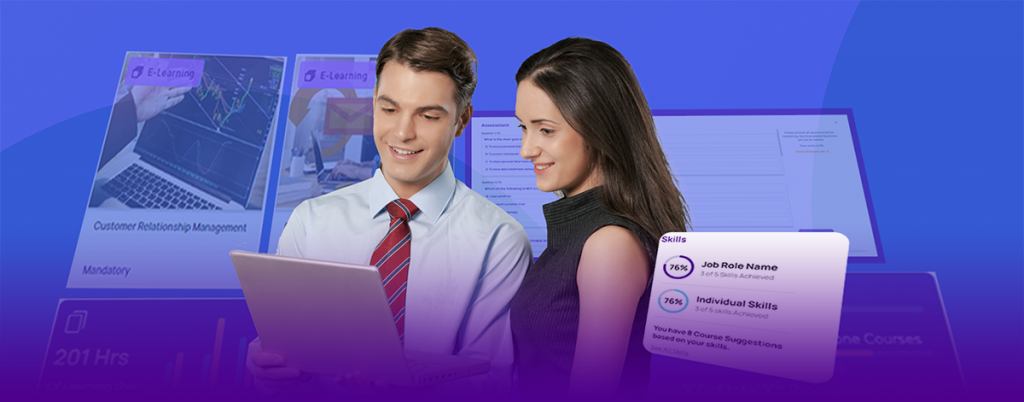
One of the biggest shifts is the move toward skills-based learning strategies. Modern Corporate Learning Platforms help organizations map critical competencies, identify capability gaps, and create development pathways aligned to evolving roles.
Instead of asking, "What courses should employees complete?", organizations are asking, "What capabilities will our workforce need next, and how do we build them at scale?"
This transition enables businesses to:
- Build workforce agility,
- Support internal mobility,
- Accelerate reskilling initiatives,
- Strengthen succession pipelines,
- Improve talent readiness.
AI Is Redefining the Learning Experience
Artificial intelligence has moved beyond experimentation and is becoming embedded within leading LMS Platforms.
How is AI changing LMS platforms in 2026?
AI-powered learning experiences can now:
- Recommend personalized learning pathways,
- Surface content based on role and career aspirations,
- Detect emerging skill gaps,
- Predict future learning needs,
- Deliver adaptive experiences tailored to learner behavior.
The result is a learning experience that feels relevant, timely, and individualized.
Learning in the Flow of Work Is Becoming the Standard
Employees no longer want to pause their work to access learning. Leading organizations are embedding learning directly into the moments where employees need support most. Modern Learning Management Systems increasingly enable:
- Just-in-time learning,
- Microlearning experiences,
- Mobile-first access,
- Performance support resources,
- Contextual recommendations integrated into daily workflows.
Learning becomes continuous rather than episodic.
Measuring What Actually Matters
Completion rates and training hours are giving way to more meaningful indicators of success. High-performing organizations evaluate whether learning initiatives contribute to:
- Improved employee performance,
- Faster proficiency,
- Increased productivity,
- Better customer outcomes,
- Enhanced employee retention,
- Internal talent mobility,
- Greater organizational adaptability.
The emphasis is shifting from activity metrics to capability outcomes.
Learner Experience Has Become a Competitive Advantage
Even the most advanced technology fails if employees do not engage with it. Organizations achieving the highest adoption rates design experiences that prioritize simplicity, relevance, and ease of use.
Successful Corporate Learning Platforms focus on:
- Intuitive interfaces,
- Consumer-grade experiences,
- Personalized recommendations,
- Social and collaborative learning,
- Seamless accessibility across devices.
Adoption is no longer treated as an implementation milestone, it is viewed as a business imperative.
Learning Platforms Are Becoming Transformation Platforms
The future of LMS Platforms extends far beyond training administration. They are increasingly supporting enterprise priorities such as:
- Digital transformation initiatives,
- Leadership development,
- AI readiness,
- Regulatory preparedness,
- Customer experience excellence,
- Large-scale workforce transformation.
Learning is moving closer to the center of business strategy.
Is Your LMS Ready for What's Next?
As learning becomes increasingly tied to workforce agility, performance, and future readiness, organizations need more than a system that manages courses; they need a platform that enables growth.
If you're evaluating whether your current Learning Management System can support the evolving demands of your workforce, it may be time to explore how modern, outcome-driven LMS Platforms like Tenneo LMS are helping organizations build skills faster, improve adoption, and align learning with measurable business impact.
In 2026, the most effective learning platforms will help shape the future of work.
Other Articles